|
McClellan Ranch Preserve
History
McClellan Ranch, the home for SCVAS offices and Nature Shop, is the City of
Cupertino's only nature and rural preserve. Located along Stevens Creek,
its cultural history goes back to prehistoric times when it was most likely
used by native peoples. Juan Bautista De Anza's 1776 expedition camped
along the creek banks in the area, and Captain Elisha Stephens who led the
first successful wagon train across the Sierra in 1844 was the original
settler.
Over the years the property changed hands several times and was used for
farming, an orchard, vineyard, and a dairy. When the city bought it in
1972, it was a horse ranch. In 1976, after lively community meetings and
debate, the city council dedicated the nearly 16-acre property as a Nature
and Rural Preserve
(Ordinance 710, January 5, 1976).
The city's Regulations and Guidelines
(see regulations 44292
and
44293)
listed and restricted the uses of
McClellan Ranch "to those which will maintain and protect the ecology of
the area, conserve the natural features and scenic values, expand community
awareness and understanding of natural history and the environment, and
provide enjoyment of the resources present consistent with their
preservation."
In 1974, the city leased 2.5 acres of land from the Santa Clara Valley
Water District and added them to the preserve. It added an additional 3.1
acres on the west side of Stevens Creek in 1990. Finally, in 1993 the city
approved a comprehensive
Master Plan for McClellan Ranch
that recommended
many improvements in educational programming, habitat restoration, and
building restoration.
Soon after the ranch became public land, the Rolling Hills 4-H Club
established its headquarters and farm animal pens at the ranch and 60
community plots were offered to residents for organic gardening. A replica
blacksmith shop, a water tower, and a nature museum were added to the ranch
house, barn and dairy barn. Today, SCVAS leases the ranch house and stages
a Wildlife Education Day on the grounds each fall. Other groups regularly
hold many nature and farm-related educational programs and events at the
ranch.
Ranch Wildlife
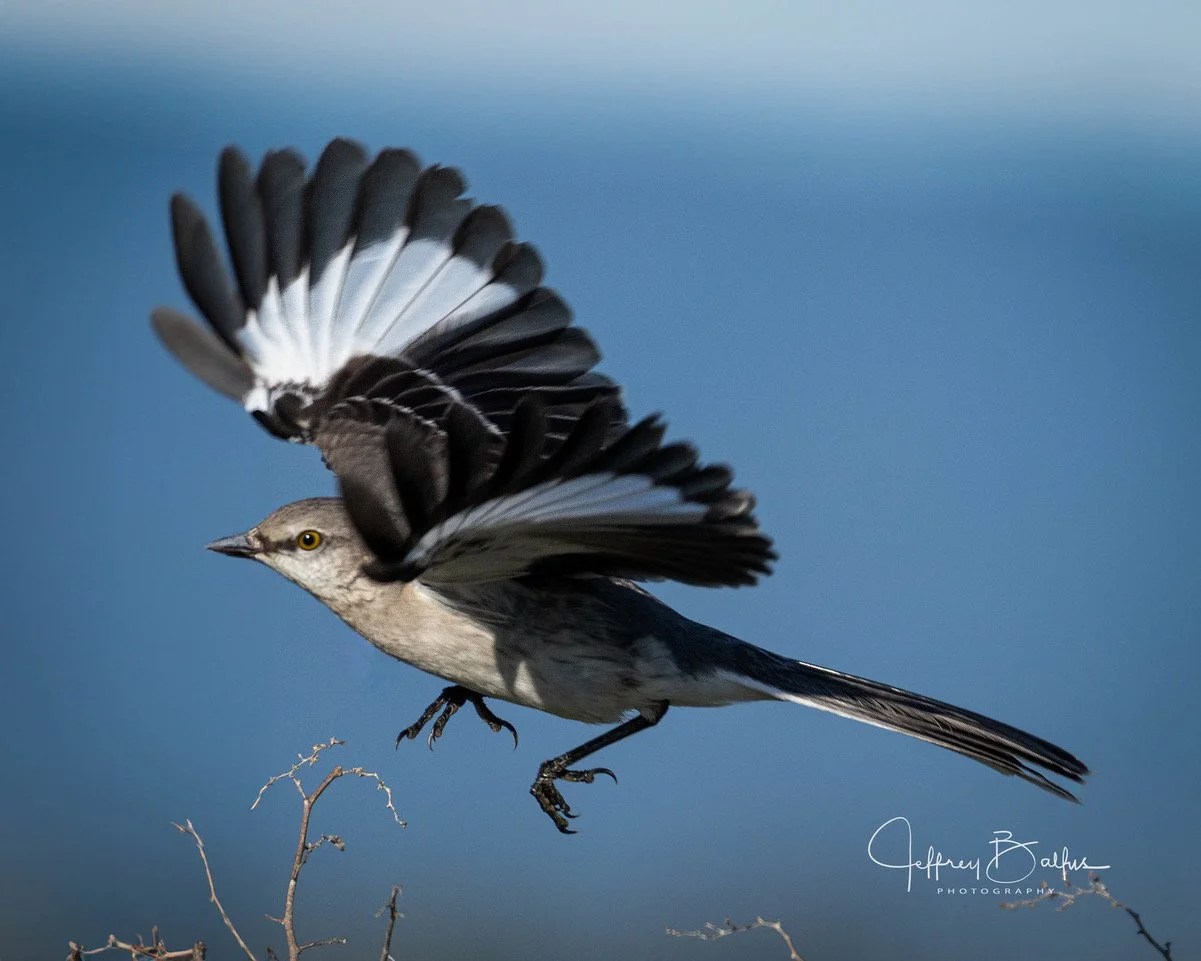
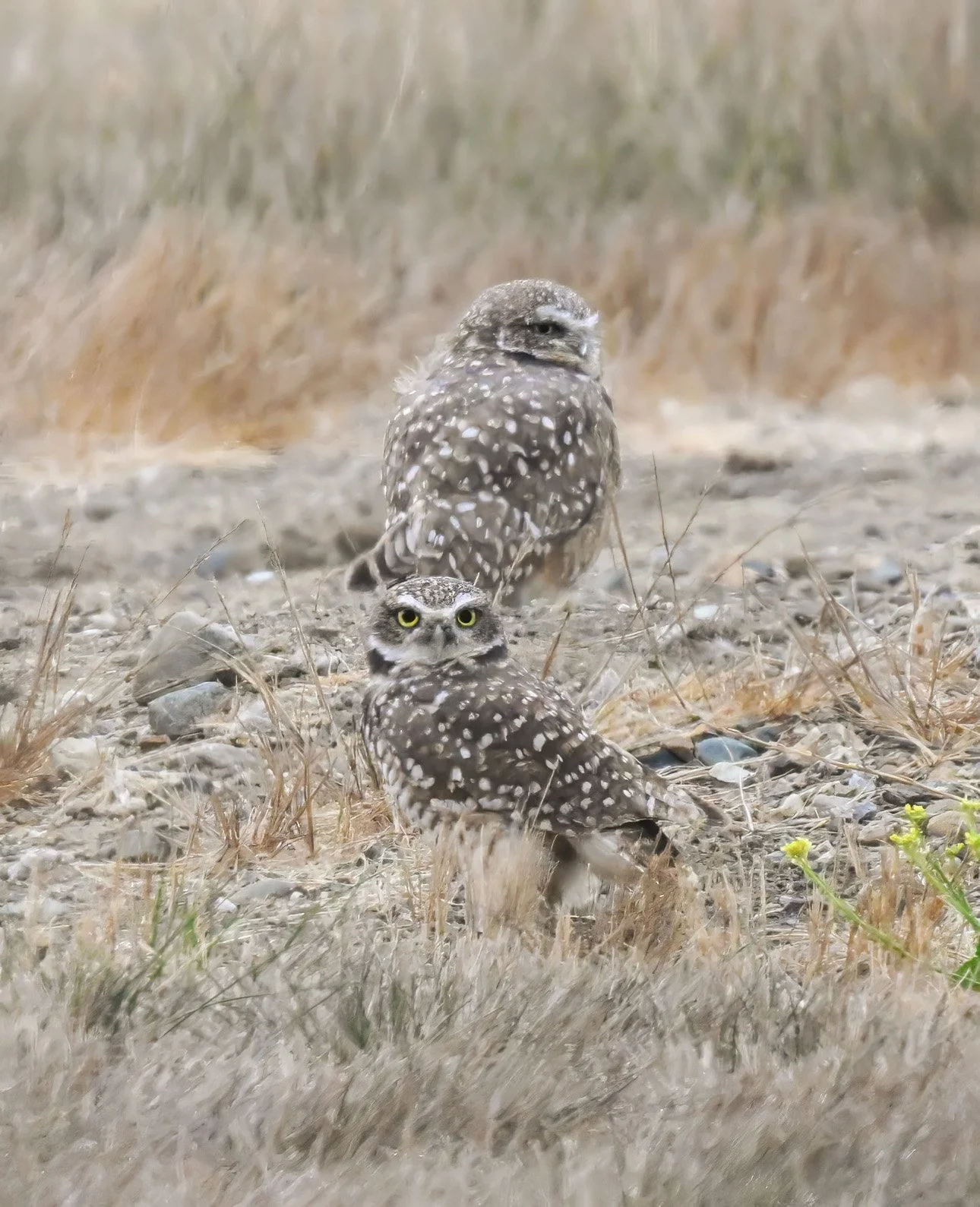
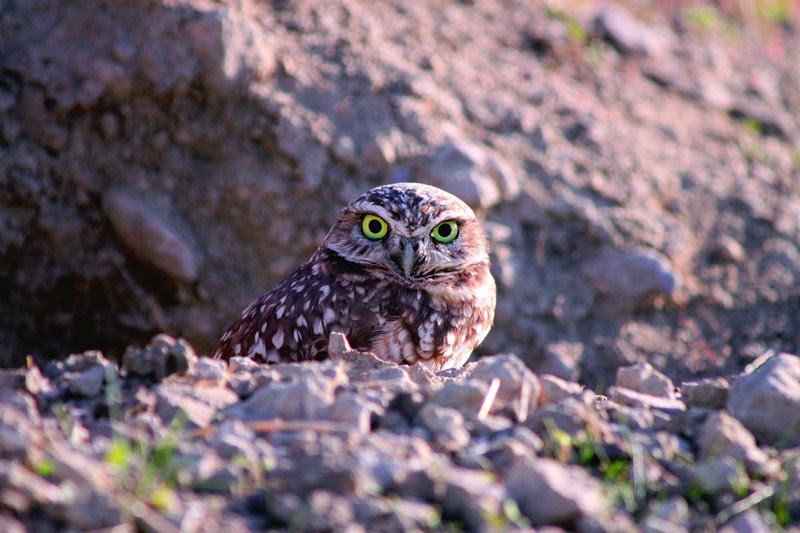
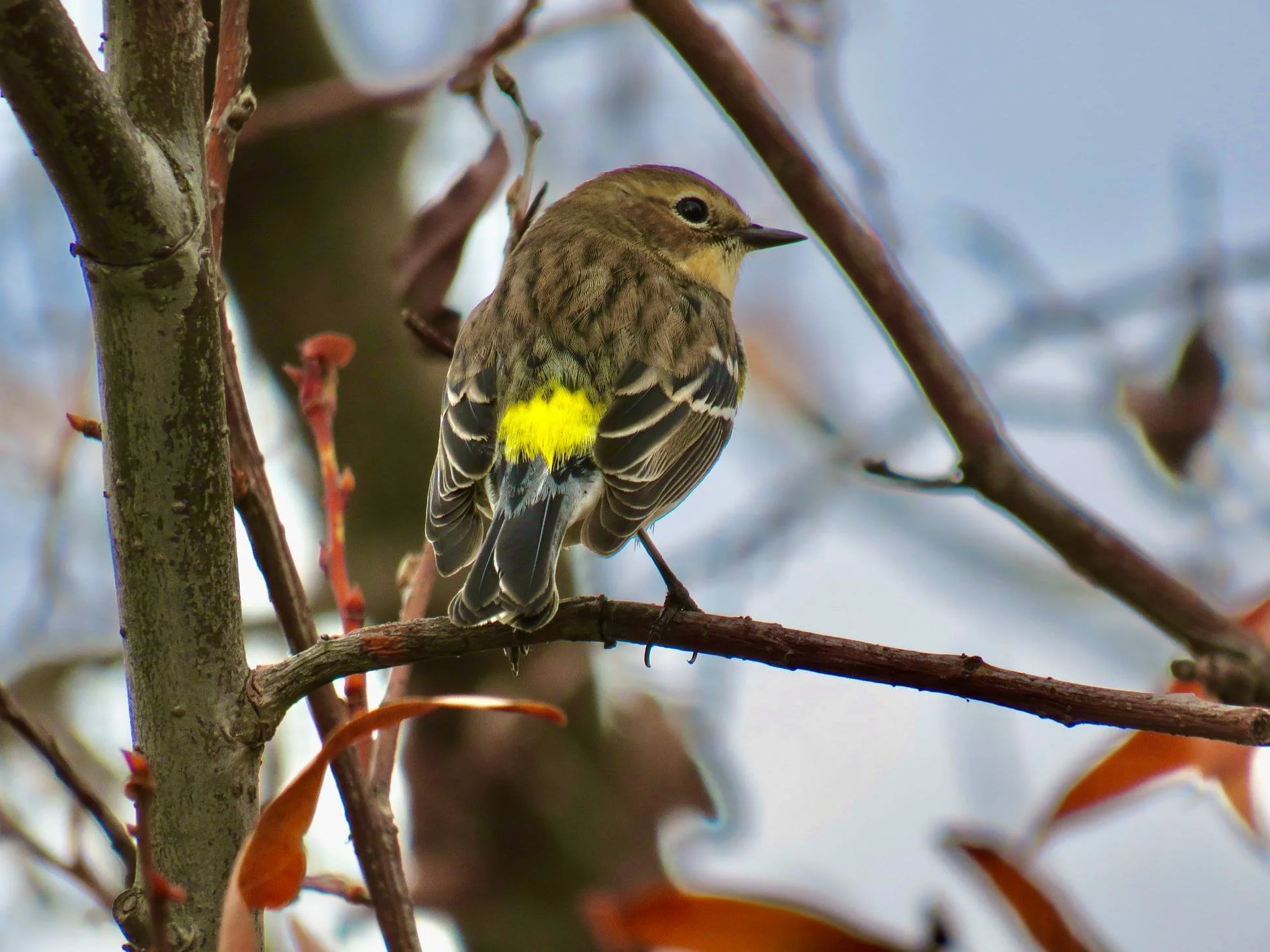
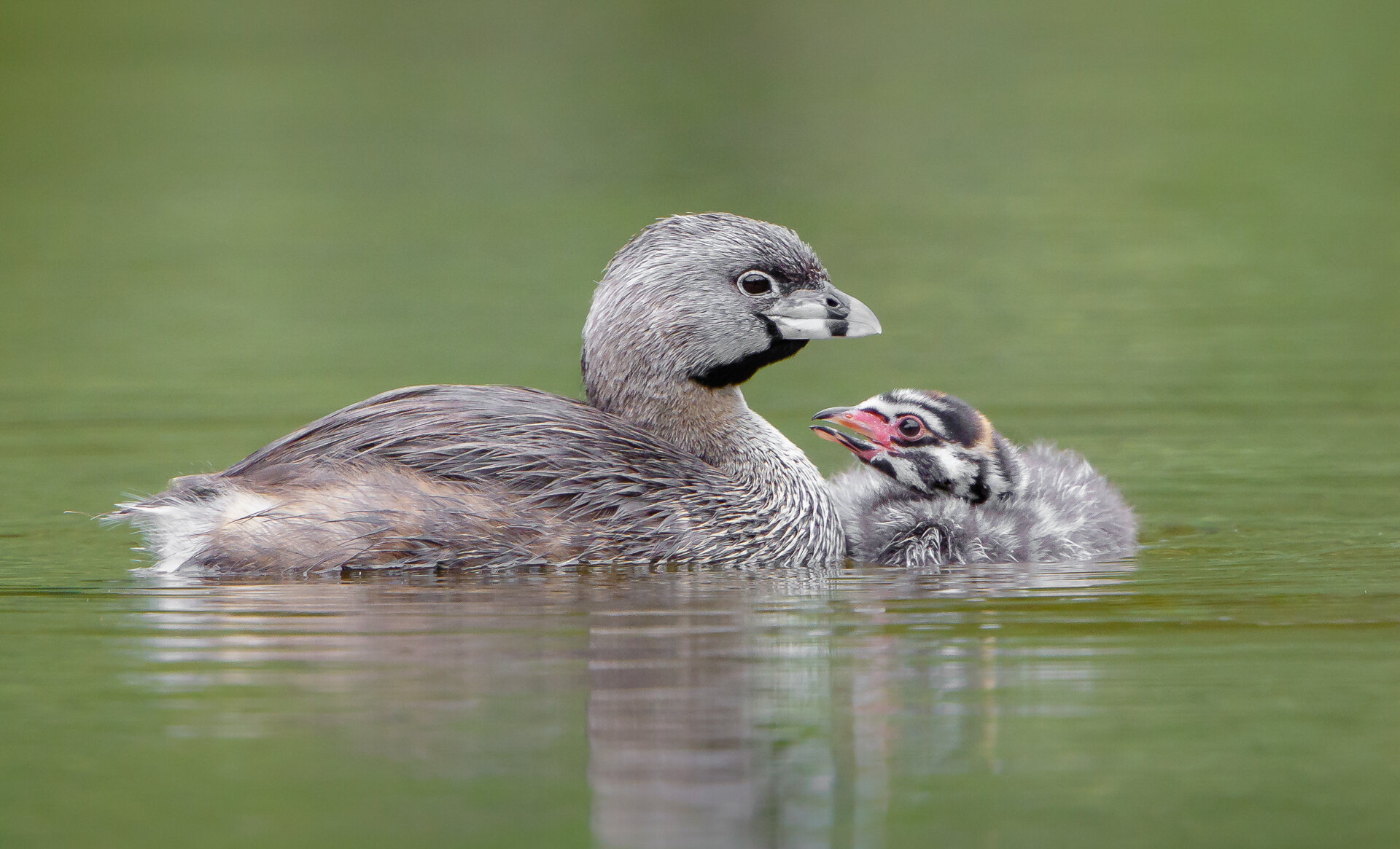
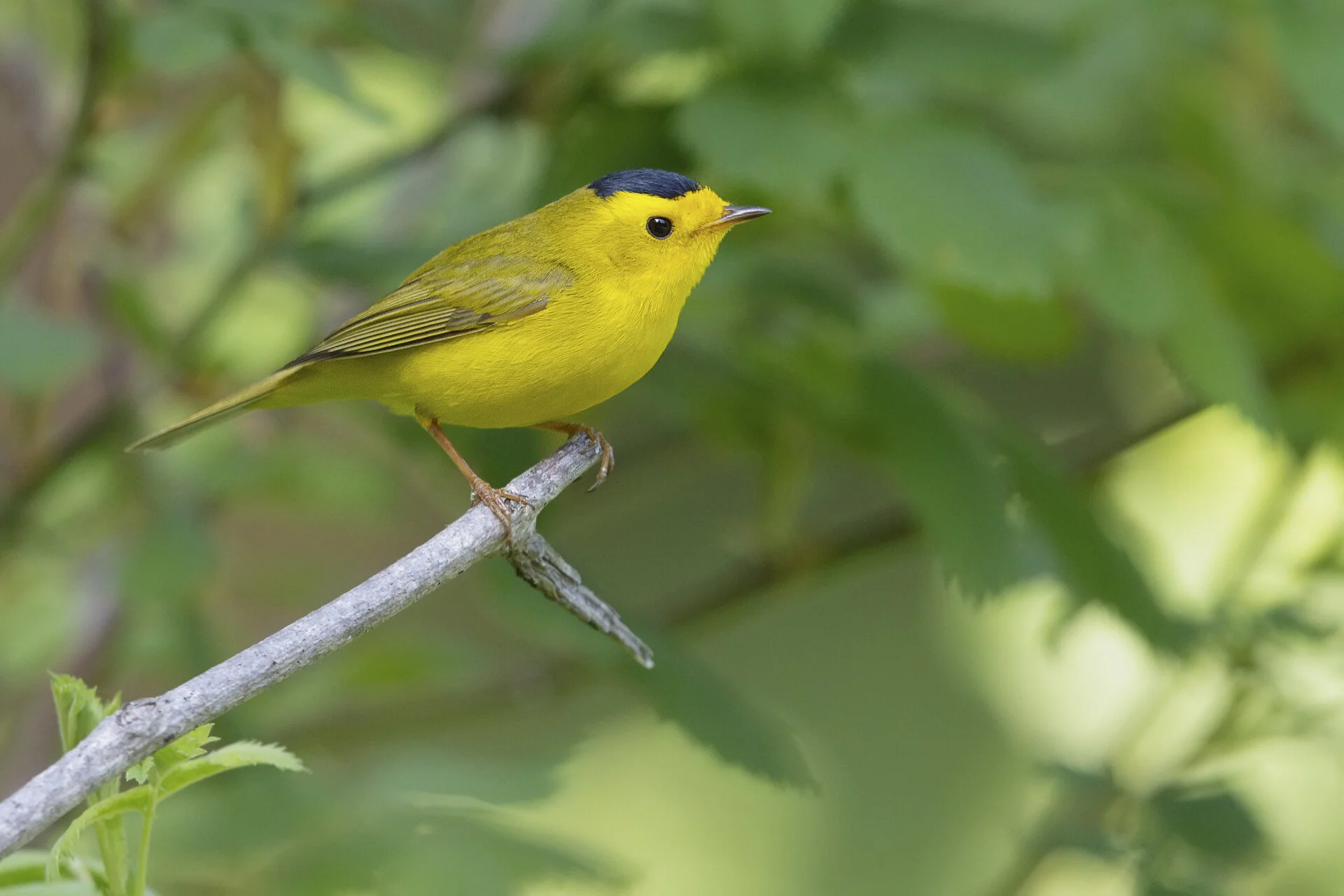
The creek, riparian woodland, meadow and old orchard habitats on McClellan
Ranch are breeding and feeding grounds for a wide variety of birds and
other wildlife. One hundred bird species have been recorded; about a dozen
black-tailed deer are permanent residents; and bobcats and coyotes have
been spotted, as have western pond turtles and steelhead trout.
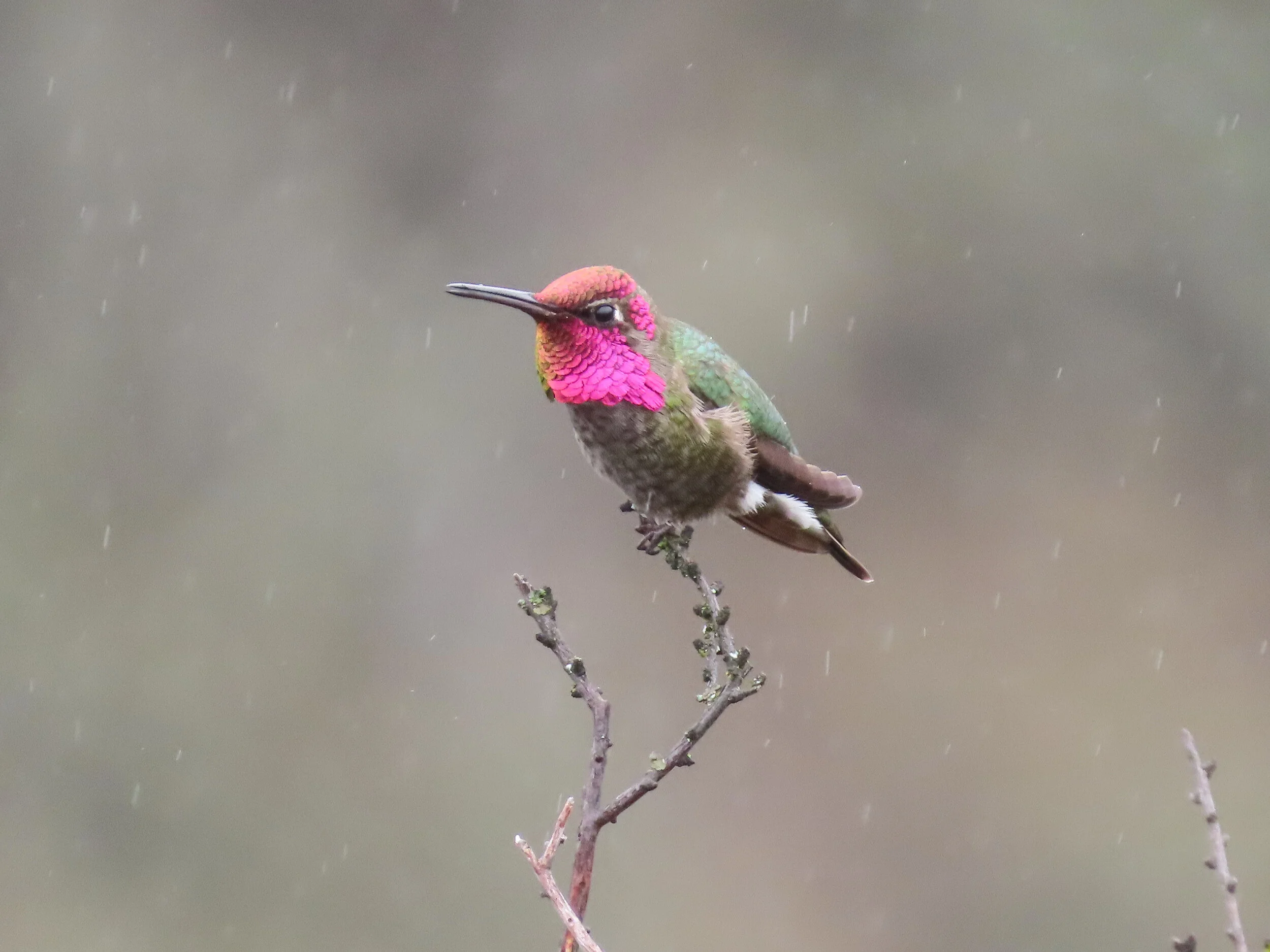
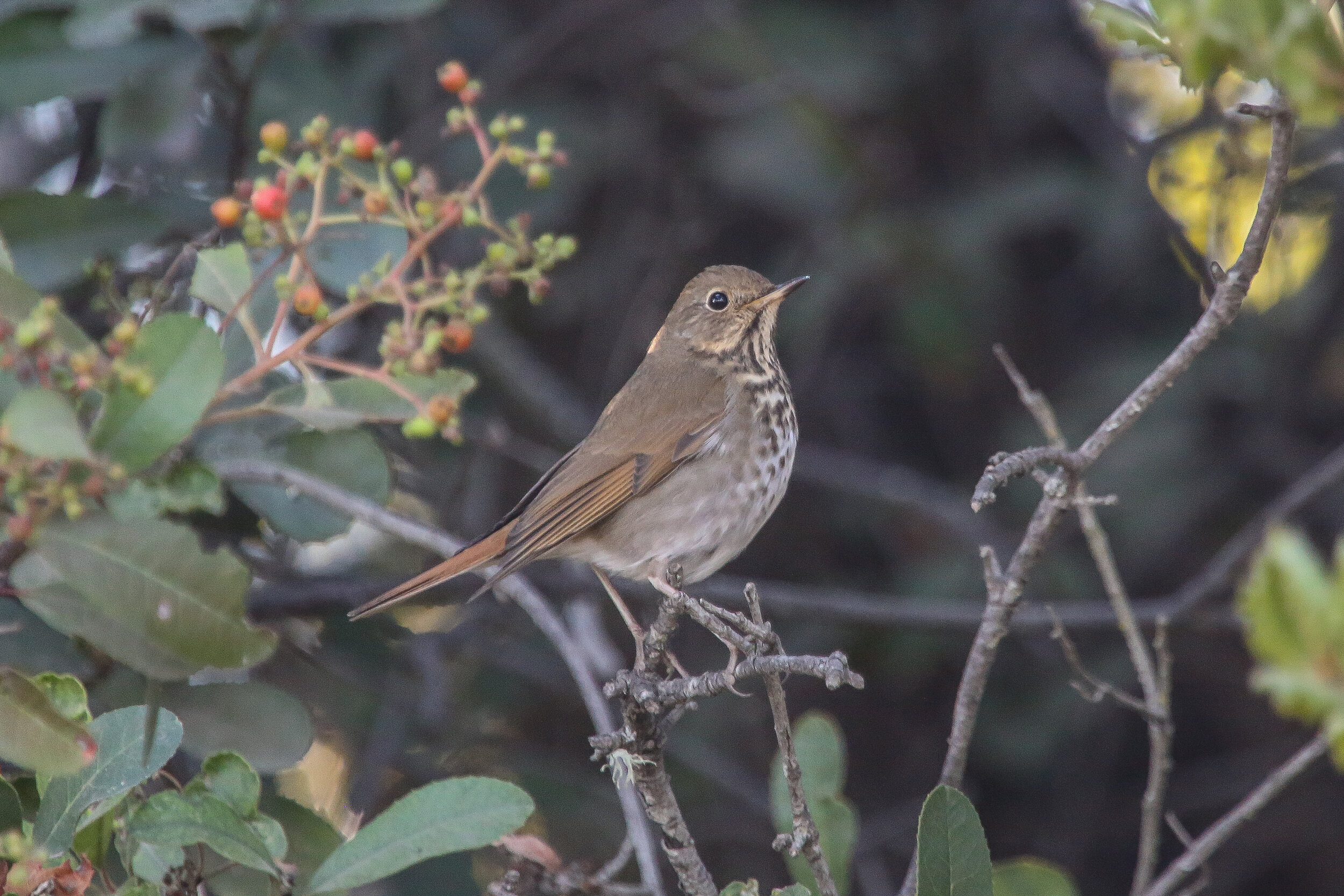
Birders know it best for nesting Hooded Orioles and Western Bluebirds; a
resident Barn Owl sometimes spotted roosting in the barn; a breeding pair
of Red-shouldered Hawks; and wintering Golden-crowned and White-crowned
Sparrows. After a long absence, California Quail have returned, and Wood
Ducks or a Belted Kingfisher would be a lucky find at the creek.
Stevens Creek Trail and Plans for the Future
Cupertino and the Santa Clara Valley Water District have been planning the
future of the Stevens Creek corridor since 2001. A Stevens Creek Trail
Feasibility Study task force was followed by a park and recreation
master-planning project for approximately 60 acres of publicly-owned land
along the Stevens Creek corridor between Stevens Creek Boulevard and
McClellan Road. McClellan Ranch and Blackberry Farm are included in the
plan. The city invited public participation, and SCVAS staff and chapter
members spent many hours attending public meetings and reviewing proposals.
One of the controversial elements of the plan is the extension of Stevens
Creek Trail, envisioned as a regional, multi-use trail through the Stevens
Creek corridor from San Francisco Bay to the Santa Cruz Mountains. SCVAS
and other groups vigorously opposed routing the trail through McClellan
Ranch because of the potential impact of a heavily used recreational trail
on the serene McClellan Ranch setting.
To our disappointment, in 2005 the Cupertino City Council decided to route
the trail through the ranch. Our fear is that fast-moving bicyclists and
skaters will disturb wildlife and disrupt birding, gardening and other
quiet activities. We also worry that irresponsible trail users may start
side trails that degrade and destroy habitat and that dog owners may allow
their animals to run off-leash.
On a more positive note, the City of Cupertino and the Santa Clara Valley
Water District will improve the habitat of the creek for steelhead and
restore about six acres of land at Blackberry Farm to riparian and upland
habitat. SCVAS will work with the city to administer one of the several
grants that have been secured for creek restoration purposes. Construction
is scheduled to began in 2008..
To date, the planned restoration areas do not extend to McClellan Ranch,
except for the parcel leased from the water district. The west side of the
creek is particularly degraded and requires the attention of the city to
restore the riparian habitat.
Master planning for the Stevens Creek corridor is continuing and SCVAS will
participate in the process. Among other things, we will continue to press
for eventual Ranch restoration.
To reduce impacts of the trail, we will advocate signs and barriers to:
| | Keep users restricted to the trail |  | | | Discourage fast-moving, through bicycle traffic |  | | | Maintain a natural and rural aesthetic |
How You Can Help
| | Lobby with Cupertino for trail restrictions to minimize its impact. |  | | | Join the Environmental Action Committee to help in planning and restoration efforts.
|  | | | Join with volunteers for SCVAS and the Stevens and Permanente Creeks Watershed Council in projects to monitor the creeks, clean debris, remove
invasive plants and plant natives.
|
Last modified in July 2008.
|